 Screenshot Maker
How to Make an Income Earnings Screenshot Online (And Why Influencers Do It)
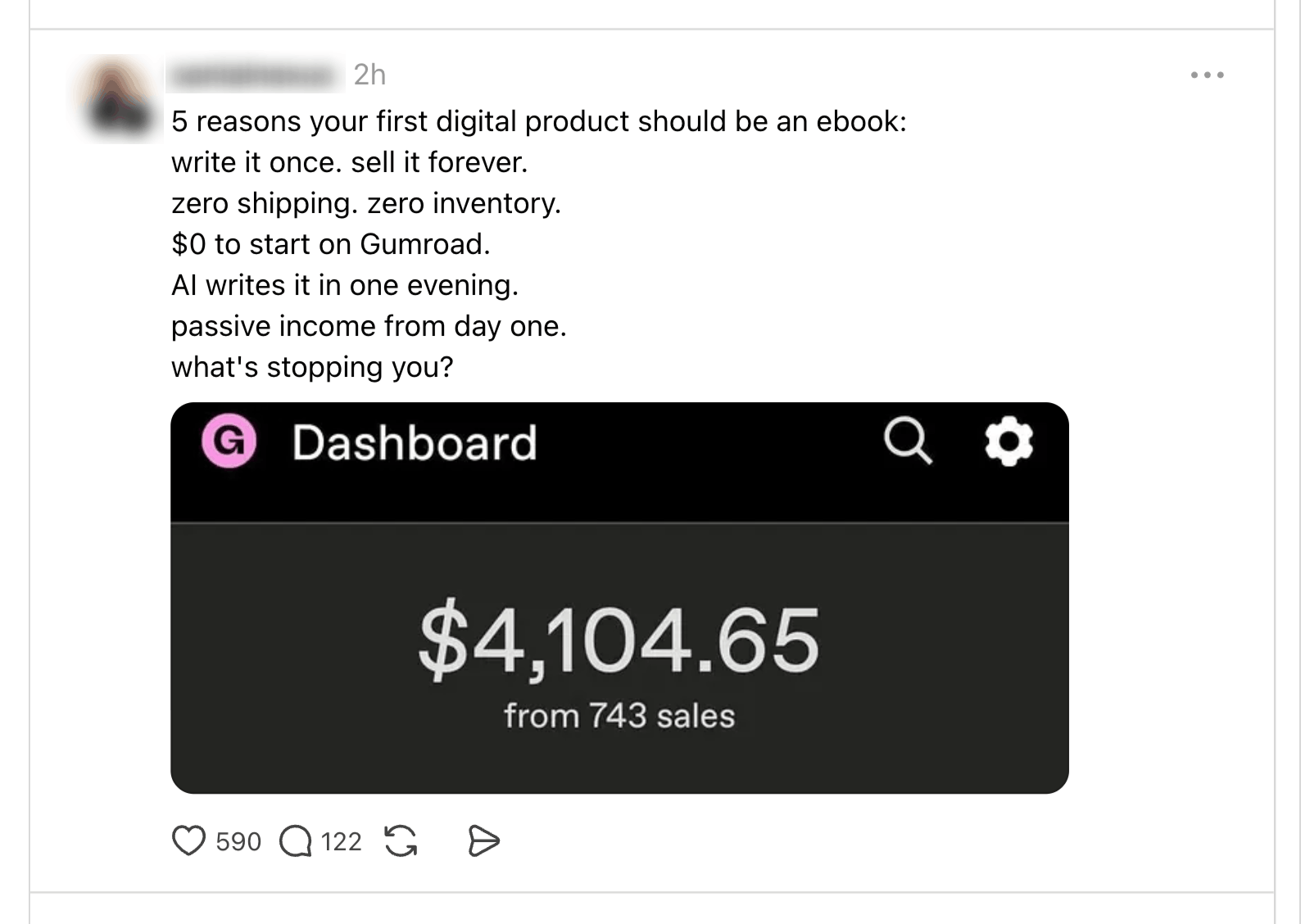
Scroll through Instagram, TikTok, or Twitter in 2026 and you'll see the same pattern: a creator holding up their phone, showing a Stripe dashboard with $47,000 in monthly revenue, or a Shopify payout screen flashing six figures. The caption reads something like "humble brag but this is what 6 months of consistency looks like." The post goes viral. The follower count jumps. The engagement explodes.
Here's the uncomfortable truth: a significant portion of these "income proof" screenshots are fabricated. Not through complex Photoshop work, but through specialized online tools that let anyone generate a convincing earnings screenshot in under two minutes. This post explains why this trend has exploded, what these screenshots actually deliver for creators, and exactly how they're made — including the specific tool and workflow behind most of them.
What Is an Income Earnings Screenshot?
An income earnings screenshot is a digital image that appears to show proof of revenue, sales, or payment from a platform like Stripe, PayPal, Shopify, Amazon, or a trading brokerage. These screenshots typically display account balances, monthly payouts, sales dashboards, or profit-and-loss statements. When shared on social media, they function as social proof, visual evidence that a creator is financially successful, which in turn signals credibility, expertise, and aspirational lifestyle.
In the influencer economy, social proof is currency. A screenshot showing $100K in monthly revenue does more than brag; it converts passive scrollers into followers, followers into email subscribers, and subscribers into paying customers for courses, coaching, or affiliate products.
Why So Many Influencers Are Doing This
1. Massive Follower and Engagement Gains
Income screenshots are among the highest-performing content formats on social media. According to research on influencer fraud and engagement tactics, content that signals wealth or financial success generates disproportionate shares, saves, and comments because it triggers aspiration, curiosity, and controversy simultaneously. A single viral income post can add thousands of followers in 24–48 hours.
2. Authority Positioning
In the "make money online" niche, credibility is everything. A creator who posts regular income proof is perceived as someone who has "figured it out." This perceived expertise makes their recommendations — whether for a trading platform, a course, or a SaaS tool — more persuasive. Research on finfluencer practices shows that fake trading and income screenshots are a core tactic used to build followings that are then monetized through affiliate links and paid courses.
3. Monetization Through Affiliate Links and Courses
Once an audience is built on the back of income proof, the monetization path is straightforward: sell the method. Finfluencers who amass large followings through income screenshots generate revenue from affiliate links (brokerage signups, SaaS referrals) and upsell paid Telegram channels or courses. The screenshot is the top of the funnel.
4. The Algorithm Rewards It
Social media algorithms prioritize content with high engagement velocity. Income screenshots spark debate in the comments ("Is this real?" "Teach me!" "Scam!"), which signals to the algorithm that the post is worth pushing to more users. It's a self-reinforcing cycle.
What an Income Earnings Screenshot Actually Delivers
When an influencer posts an income screenshot — real or fabricated — the outcomes are measurable:
| Outcome | Typical Impact |
|---|---|
| Follower growth | 2,000–10,000+ new followers per viral post |
| Engagement rate spike | 3–5x normal post engagement |
| DM inquiries | 50–200+ "how did you do this?" messages |
| Course/coaching sales | 10–30% conversion lift on funnel entry |
| Affiliate signups | Direct correlation with "income proof" posting frequency |
The screenshot functions as a trust shortcut. In a niche where most advice is intangible, a number on a screen feels like evidence. Even skeptical viewers engage with the post, which only amplifies its reach.
How Influencers Create These Screenshots: The screenshotmaker.app Workflow
The tool most commonly used for this is screenshotmaker.app — a web-based generator specifically designed to create realistic-looking phone screenshots of income dashboards, payment confirmations, and sales reports.
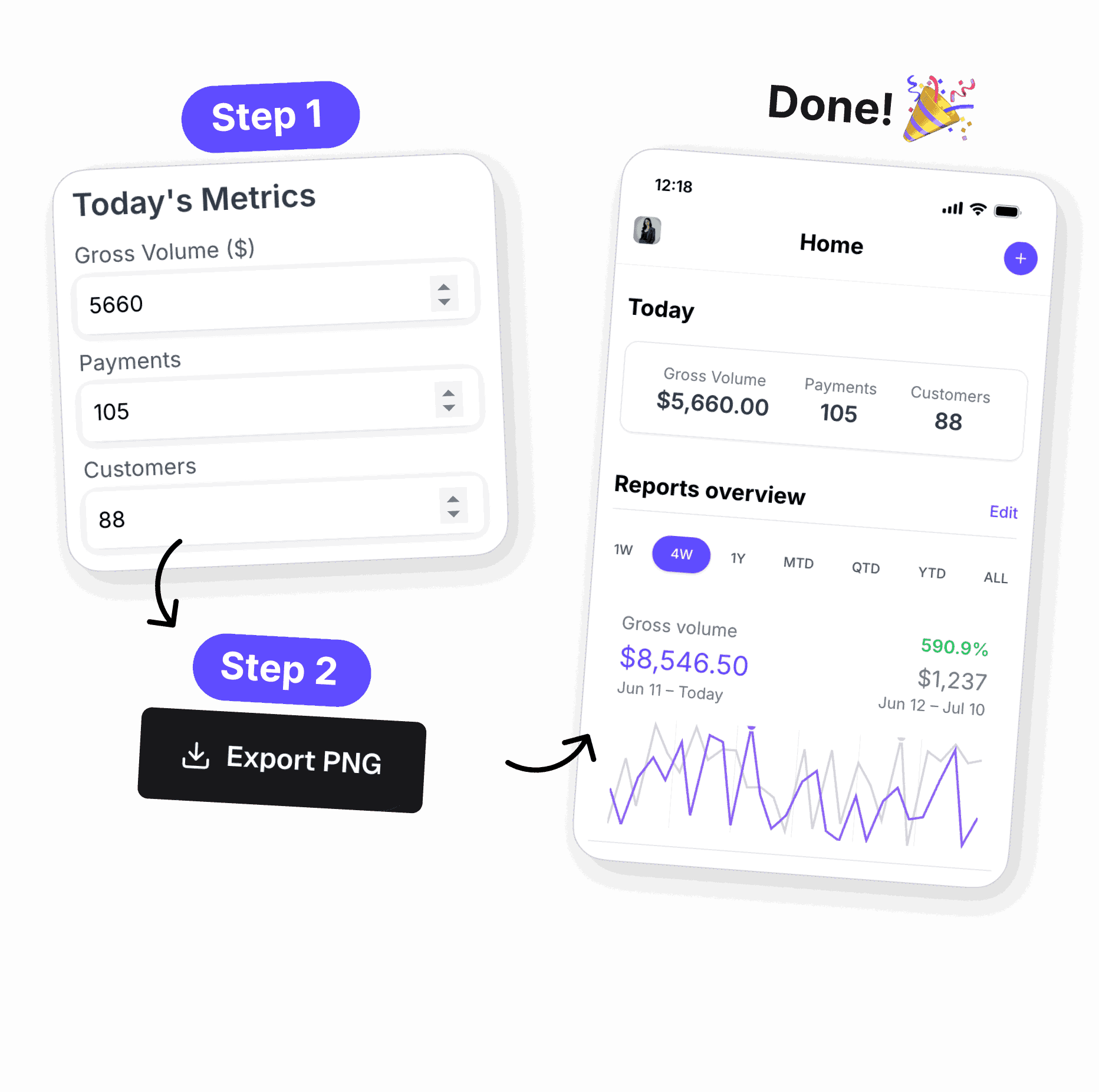
Here's the exact workflow:
Step 1: Choose a Template
screenshotmaker.app offers pre-built templates that mimic popular platforms:
- Stripe dashboard
- PayPal balance/transaction history
- Shopify sales overview
- Amazon seller central
- Trading brokerage P&L (e.g., Zerodha, Robinhood-style)
- Cash App / Venmo transfers
Each template replicates the UI design, color scheme, fonts, and layout of the real platform.
Step 2: Edit the Numbers
This is where the "proof" is manufactured. The user can edit:
- Revenue/sales figures — enter any dollar amount
- Date ranges — set the screenshot to show "This Month" or a custom period
- Transaction counts — adjust number of orders, payouts, or trades
- Account balance — set the total available or lifetime earnings
- Currency — toggle between USD, EUR, GBP, etc.
The tool auto-formats numbers with commas, decimal places, and platform-specific styling so the result looks indistinguishable from a genuine screenshot.
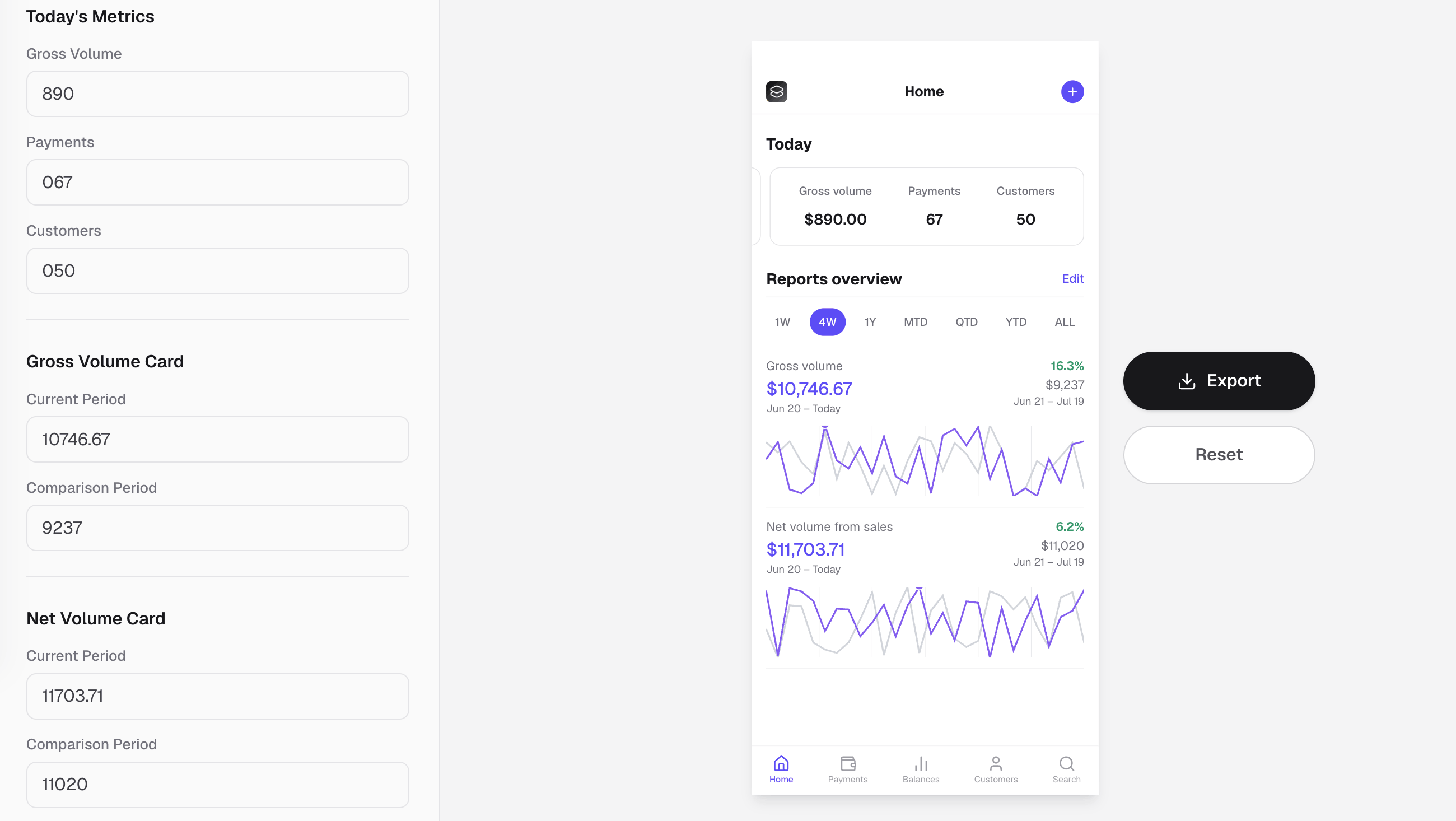
Step 3: Export as Phone Screenshot
The final step exports the image in a phone frame format — either as a raw screenshot or placed inside an iPhone/Android device mockup. This is critical for social media because:
- It signals "I just took this on my phone" (immediacy, authenticity)
- It fits standard Instagram story/TikTok aspect ratios
- It avoids suspicion that the image was heavily edited on desktop
The exported file is a standard PNG or JPG, ready to upload directly to any social platform.
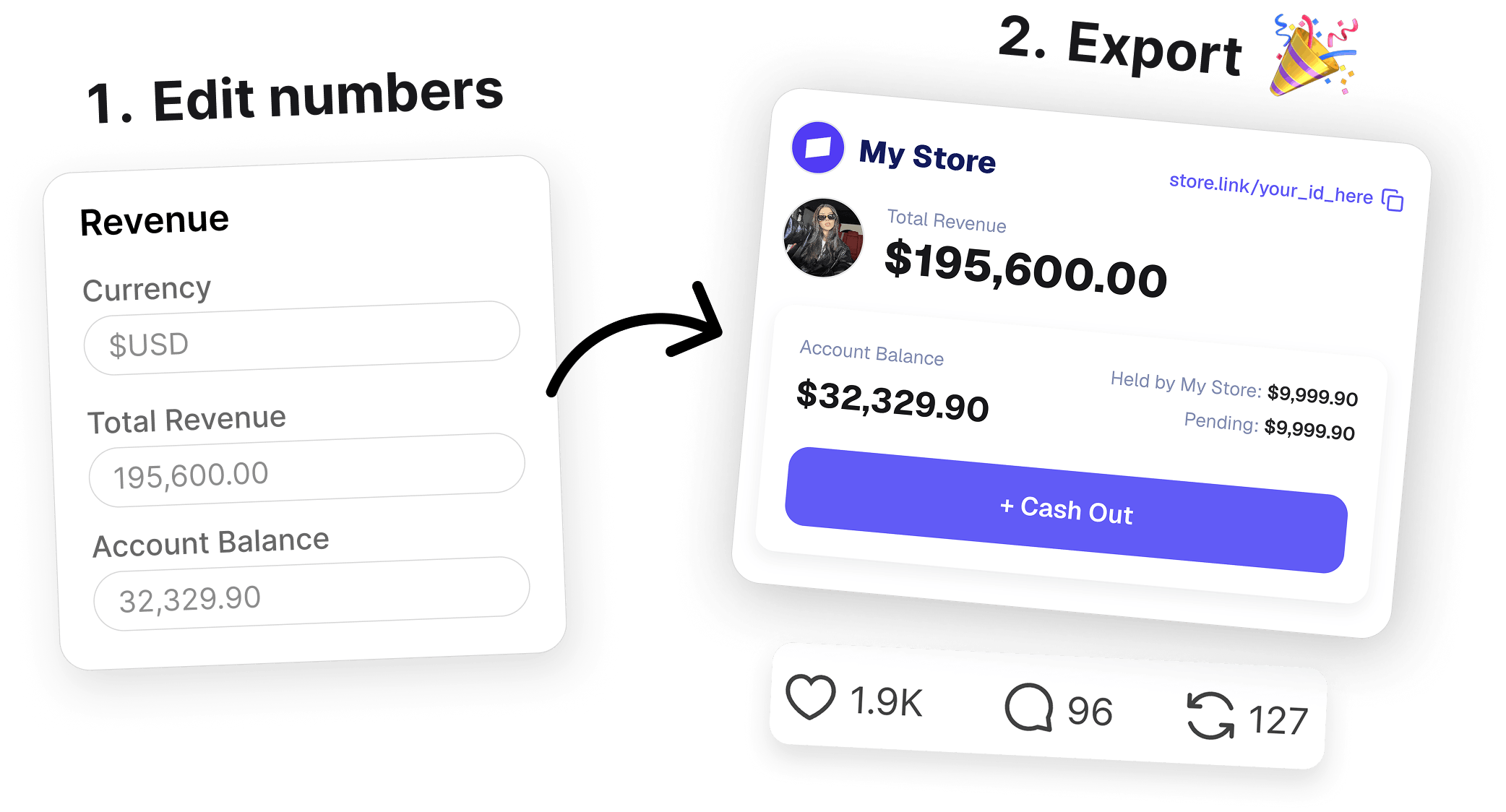
Create a screenshot to get more engagement.
Pick a template, edit the numbers, and export.
Start FreeThe Ethics and Risks
This section is worth including because the trend has real consequences.
For the Creator
Platforms and audiences are getting savvier. In the financial influencer space, regulators like SEBI in India have proposed rules to stop regulated intermediaries from partnering with finfluencers who use deceptive practices. In the U.S., the FTC requires clear disclosure of material connections. Faking income proof to sell a course or affiliate product walks a thin line between marketing and fraud.
For the Audience
Followers who buy courses, sign up for brokerages, or invest based on fabricated income proof can lose real money. The "micro scam" ecosystem — many small deceptions rather than one big one — is increasingly being called out by watchdogs and communities.
For the Platform
Social platforms are investing in detection. Instagram and TikTok have removed accounts for engagement manipulation and misleading content. As detection improves, the risk-reward ratio of fake income screenshots shifts.
Create a screenshot to get more engagement.
Pick a template, edit the numbers, and export.
Start FreeHow to Spot a Fake Income Screenshot
If you're evaluating a creator's claims, look for these red flags:
- Rounded numbers — Real revenue rarely lands on exactly $50,000.00 or $100,000.00
- No transaction details — A real dashboard shows individual transactions, not just a total
- Generic backgrounds — screenshotmaker.app templates sometimes lack platform-specific UI nuances
- No video proof — A screen recording of the actual dashboard is harder to fake than a static image
- Inconsistent claims — Cross-reference public statements; leaked real data has exposed creators showing fake profits while their actual accounts showed losses
FAQ
Q: Is screenshotmaker.app illegal to use? A: The tool itself is not illegal — it's a design/mockup generator. The legal issue arises when the output is used to deceive others, particularly in commercial contexts like selling courses or financial advice.
Q: Why do fake income screenshots get so much engagement? A: They trigger aspiration and controversy. People either want to learn the "secret" or want to call out the fakery. Both reactions drive algorithmic distribution.
Q: Can platforms detect fake screenshots? A: Static images are hard to detect automatically, but community reporting and manual review can flag accounts. Video proof and verified P&L statements from brokerages are harder to fabricate.
Q: What's the difference between a mockup and a fake screenshot? A: A mockup is a design tool for legitimate purposes (portfolio presentations, app marketing). A fake screenshot becomes deceptive when it's presented as real financial proof to manipulate an audience.
Q: Are all income screenshots on social media fake? A: No. Many creators share genuine results. The problem is that the fake ones are often the most viral because they're engineered for maximum impact, which crowds out authentic content.
Bottom Line
Income earnings screenshots are one of the most effective — and most abused — content formats in the creator economy. Tools like screenshotmaker.app have made it trivially easy to generate convincing fake proof, and the incentive structure of social media rewards the creators who do it. The result is an ecosystem where follower counts, engagement rates, and course sales are increasingly built on manufactured credibility.
If you're a consumer: verify before you buy. If you're a creator: the short-term gains of fake proof rarely outweigh the long-term risk to your reputation and legal standing.