 Screenshot Maker
The X Algorithm Changed in 2026: Here's What Actually Gets You Seen Now
In January 2026, Grok started making the ranking calls on X. That is not a small tweak to the same old feed. It is a different system with different preferences, and a lot of the "post every day and pray" advice from 2024 still floating around is quietly wrong.
This post is the practical version. Not another generic growth checklist. Six shifts that change what you should do on a Tuesday afternoon if you want posts to leave your existing circle.
1. The 60 Minute Gate
Most posts die in private, and most people never notice.
If a post does not pick up real engagement in the first 30 to 60 minutes, it rarely breaks past the people who already follow you. The system is watching early velocity: replies, meaningful reactions, profile taps. Silence in that window reads as "not worth distributing."
That is why when you post beats how often you post. A rigid 9 AM every day schedule is useless if your audience is online at 7:40 PM. One sharp post in a live window will outrun five posts into an empty room.
How to find your window without downloading another dashboard:
- Look at your last 15 posts that got replies (not just likes).
- Note the local hour those replies arrived in the first hour after publish.
- Pick two candidate slots and post only in those for two weeks.
- Keep the slot that consistently gets a reply in under 30 minutes.
If you are a solo founder sharing product progress, that window is often evenings or late morning in your buyers' time zone, not the influencer "prime time" charts. Test yours. Borrowed timing is how good posts get buried.
2. Replies Are Worth About 15x More Than Likes
Likes are polite. Replies are conversation. The ranking model treats conversation as a stronger quality signal, which is why a post with 40 likes and 12 real replies can outrun a post with 400 likes and two "🔥" comments.
The part most guides skip: replying under bigger accounts in your niche is distribution, not charity. Your reply sits in their audience's feed. Done well, it is a soft introduction to people who already care about the topic.
A cadence that actually fits a working week:
- Spend 15 to 20 minutes before you post anything of your own.
- Leave 8 to 12 thoughtful replies on accounts roughly 3x to 20x your size in the same niche.
- Skip one line praise. Add a specific observation, a related result, or a respectful disagreement with a reason.
- After you post, reply to every comment in the first hour.
If you only have energy for one habit this month, make it this one. It compounds faster than polishing captions alone.
For a fuller routine that pairs replies with sharing real numbers, see how to grow your followers as a solo entrepreneur.
3. Sentiment Scoring Is Quietly Throttling Negative Content
The system reads tone more aggressively than it used to. Constructive and curious posts get room to travel. Combative, dunk heavy, or pure ratio bait gets softer distribution even when the engagement looks "spicy" in the first few minutes.
That matters because the 2023 to 2024 playbook rewarded heat. Hot takes designed to make someone mad still get comments, but a chunk of that engagement no longer translates into lasting reach the way it used to.
You do not have to become bland. Reframe the hook:
Before: "Most SaaS landing pages are garbage and founders are lying to themselves."
After: "Most SaaS landing pages underperform for one boring reason: the hero screenshot looks unfinished. Here is the fix I use."
Same tension. Different posture. You still get the stop scroll energy without asking the model to classify you as noise.
4. Topic Clusters Are Boxing You In, Or Boosting You
X groups users into topic communities (SimClusters). When you post on topic with some consistency, you get shown to more people inside that cluster. When you ping pong between crypto memes, parenting jokes, and B2B pricing threads, the system gets worse at knowing who should see you. Scattered posting does not just "fail to help." It dilutes the signal.
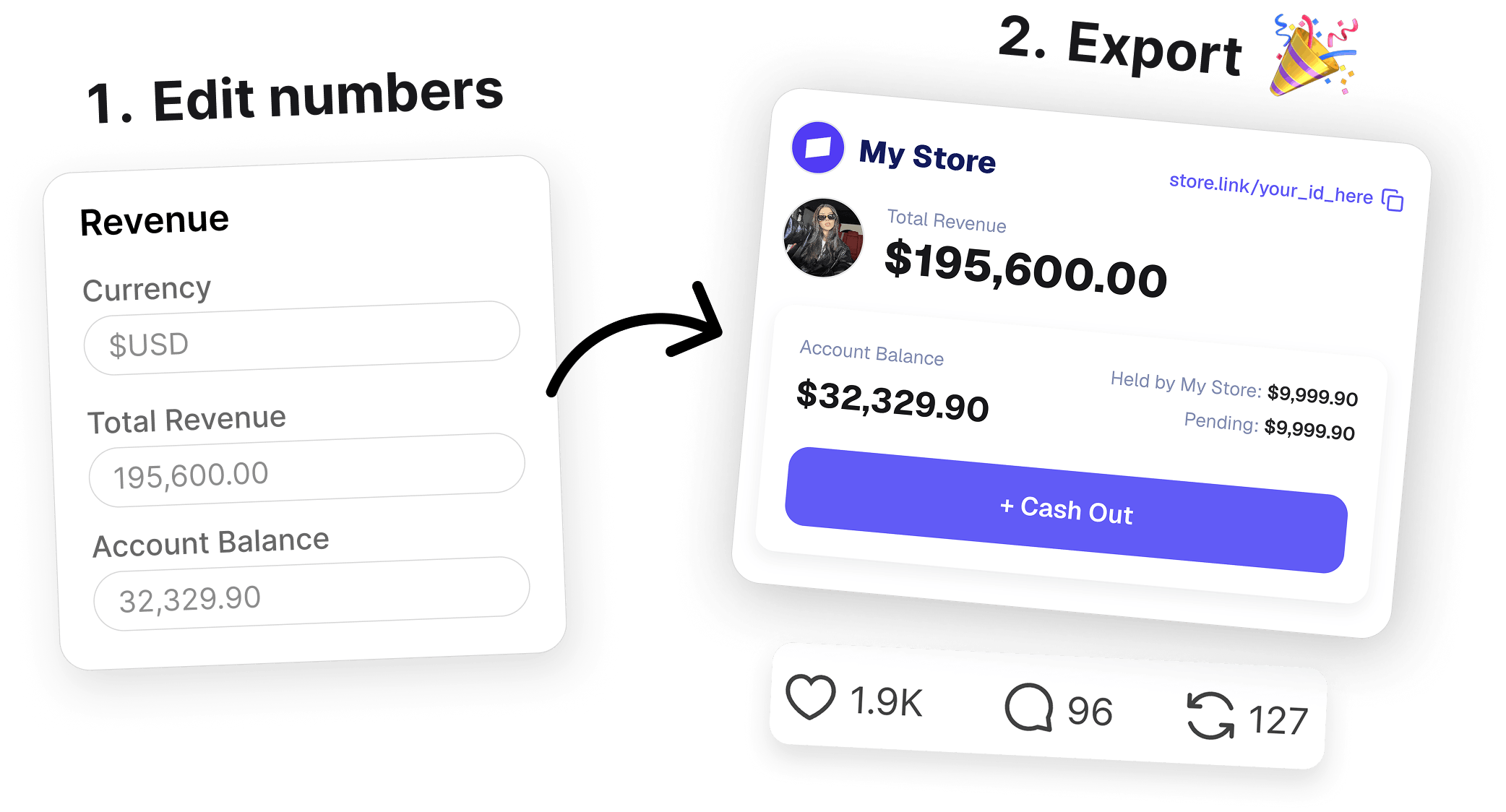
Create a screenshot to get more engagement.
Pick a template, edit the numbers, and export.
Start FreeAudit the last 20 posts:
- Write one phrase for each post's core topic (pricing, shipping updates, design, hiring, and so on).
- Circle the two topics that show up most.
- For the next 30 days, keep 80% of posts inside those two.
- Park the rest for replies or a secondary account if you truly need the outlet.
Tight clusters feel limiting at first. Then your impressions get less random, and the right people start recognizing you as "the person who talks about X."
5. Threads Are Not Dead. They Are Being Used Wrong
People keep saying threads are dead. Plenty of accounts still see 5x to 10x impressions on thread formats because each post can get its own ranking pass. The failure mode is different: most threads are one long essay chopped into numbered chunks. Tweet 4 cannot survive alone, so the whole thing leaks energy.
Write each line as if it could be screenshotted and shared without the rest. A quick test before you hit post:
- Copy tweet 1, tweet 2, and tweet 3 into separate drafts.
- Ask whether each one would earn a reply on its own.
- If tweet 2 only works as "continued from above," rewrite it with a fresh hook or cut it.
Strong thread openers look a lot like strong single posts: a concrete claim, a surprising number, or a visual. A clean product or revenue screenshot next to a one line take still stops the scroll. If you need that visual without opening a design tool, screenshotmaker.app is built for that exact job, and the template library has finance and dashboard layouts people already recognize from social feeds.
6. Follower Count Is Not the Metric You Think It Is
You are not really optimizing for followers. You are optimizing for fast engagement from relevant people (including verified or high trust accounts in your niche). Followers are the lagging byproduct.
That is why a sharp 5K account can beat a sleepy 50K account on reach. The 5K account gets replies from peers who matter to the model. The 50K account gets silent likes from people who followed during a giveaway three years ago.
Practical shift for the next month:
Create a screenshot to get more engagement.
Pick a template, edit the numbers, and export.
Start Free- Track replies and profile visits before you obsess over follower totals.
- Treat a reply from a known operator in your space as a win even if the like count looks small.
- Write for the 200 people who could become customers or collaborators, not the abstract "audience."
FAQ
Did the X algorithm really change in 2026? Yes in a meaningful way. Grok taking a larger role in ranking changed which signals matter. Early conversation, topic fit, and tone carry more weight than they did in the pure "engagement bait" era.
What is the single highest leverage change if I only pick one? Protect the first hour. Post when your people are online, then stay present to reply. Everything else works better once that gate is open.
Should I still post threads? Yes, if each post can stand alone. No, if you are only splitting a blog post into numbered slices.
How do visuals fit into the new ranking world? Posts that earn saves and quote screenshots tend to travel. A readable metric card or dashboard crop often outperforms a wall of text making the same claim. Browse templates if you want formats that already look native on mobile.
Bottom Line
The 2026 X feed rewards speed of real conversation, topical clarity, and constructive tone. It punishes empty schedules, like farming, and scattershot topics. Follower count is a scoreboard you glance at later, not the thing you steer by day to day.
Ship fewer posts. Make each one easier to reply to. Show up in other people's threads. Repeat for a month and your "mysterious reach problems" usually get a lot less mysterious.