 Screenshot Maker
The Only Social Media Marketing Tools Worth Paying For in 2026
Most marketers do not have a tools problem. They have a collecting problem. Another Chrome tab, another free trial, another "we'll learn it next quarter" logo on the company Notion page.
This list is organized by job to be done, not by hype ranking. If a category does not match work you actually do every week, skip it. Paying for software you open twice a month is how budgets die quietly.
1. screenshotmaker.app: Turn Progress Into Scroll Stopping Visuals
Text only posts and raw phone crops still underperform next to a clean, intentional screenshot. People save and share images that look like proof: a dashboard, a payout, a before and after UI, a metric that moved.
screenshotmaker.app exists for that gap. You pick a template, edit the numbers and labels, and export a PNG that looks like it came from a real product screen. No Figma file. No waiting on a designer for a Tuesday recap post.
Best for creators, indie founders, and marketers who post build in public updates, income or usage stories, or product teasers and need them to look deliberate on mobile. Start from the template library if you already know the vibe you want (finance, crypto, dashboards), or jump into pricing once you outgrow the free templates.
It pairs well with the rest of this stack because visuals are usually the missing piece, not another writing assistant.
2. Content Creation and Writing
You still need a drafting environment. In 2026 the useful AI writing tools are the ones that help you outline structure, not the ones that spit out finished voice. Audiences are getting better at smelling fully generated copy, and platforms are less kind to generic tone.
Use AI for:
- Turning a messy note into a thread skeleton
- Listing alternate hooks for the same idea
- Cutting fluff from a draft you already wrote
Do not use AI for the final opinion. Keep the weird specificity that makes people reply.
For hook testing, keep it simple. Write three opening lines, post them as separate posts a few days apart, and keep the pattern that earns replies. You do not need a fancy headline SaaS for that until you are running paid creative at volume.
3. Scheduling and Publishing
Cross platform schedulers still earn their keep when you publish on X, LinkedIn, and Instagram without living in six apps. The mistake is treating the calendar like a content freezer.
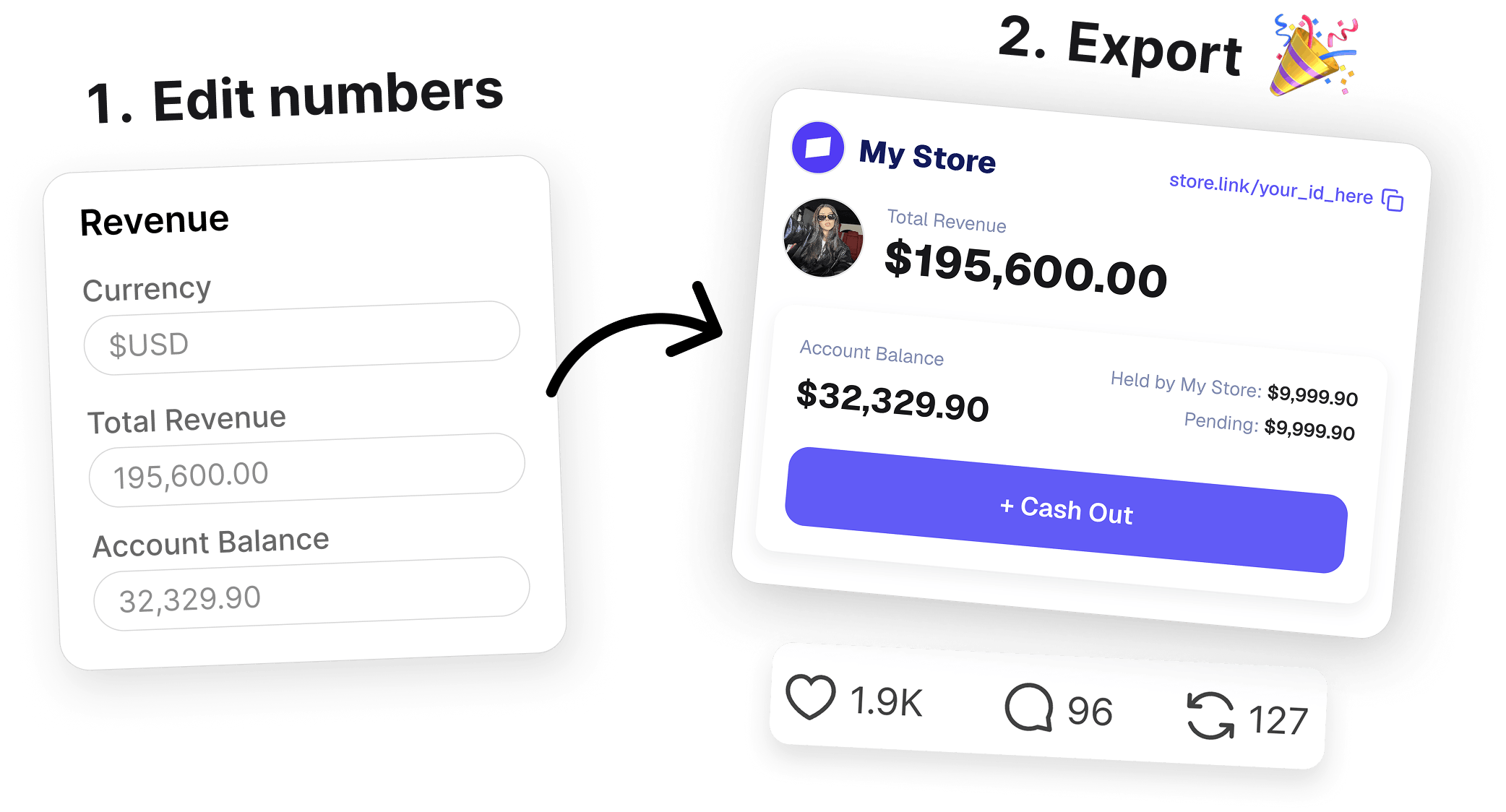
Create a screenshot to get more engagement.
Pick a template, edit the numbers, and export.
Start FreeBulk scheduling a month of posts at midnight every day fights the way feeds work now. On X especially, early engagement in the first hour matters. See the 2026 X algorithm breakdown if you want the why.
Smart scheduling beats bulk scheduling:
- Queue drafts, not final publish times, when you are unsure of the window
- Set publish times around when your last posts got fast replies
- Leave buffer to be online after a post goes live
If your tool cannot handle last minute time shifts easily, it will cost you more reach than it saves in convenience.
4. Analytics and Engagement Tracking
Most default analytics still push vanity. Likes look comforting. They are not the main story anymore.
Track weekly:
- Replies and reply rate
- Profile visits and link clicks
- Followers gained on posts that earned conversation
- Saves or bookmarks where the platform shows them
You want to know which posts create followers who stick, not which posts inflate a like chart. A lightweight native analytics view plus a simple spreadsheet beats an expensive suite you never open, at least until content is a full time function.
5. Design and Visual Assets
Canva style tools still win for carousels, simple quote graphics, and story layouts. Keep one generalist design tool for brand kits and multi slide posts.
Create a screenshot to get more engagement.
Pick a template, edit the numbers, and export.
Start FreeThen keep a specialist for product looking screenshots. That is where screenshotmaker.app sits in a healthy stack: Canva for branded frames and carousels, screenshotmaker.app for the fake-real product proof that makes a claim feel concrete. The two jobs overlap less than people think.
If your content relies on income proof, SaaS metrics, or mobile UI storytelling, skim why social proof screenshots convert and how influencers make income earnings screenshots. Even when you share real numbers, presentation decides whether anyone stops.
6. Engagement and Community Tools
Reply heavy growth still works, especially when you show up under accounts a bit larger than you. Some teams use listening tools to find conversations at scale. Solo operators can often do this manually for 15 minutes a day and get most of the benefit.
If you buy an engagement tool, demand two things:
- Good filters for niche keywords and account size
- Workflow that helps you leave real replies, not spray identical comments
Identical engagement bait gets you muted by people and by algorithms. Threads is even stricter on negativity than X, which is worth remembering if you cross post. The Threads 2026 playbook covers that culture gap.
7. The One Tool Rule
Here is the challenge. Pick at most three paid tools from this article and commit for 60 days.
A sane starter kit for a SaaS founder or lean marketing team:
- screenshotmaker.app for proof style visuals
- One scheduler that respects flexible timing
- One writing or notes app you already trust (paid only if you truly need the upgrade)
Mastery beats a graveyard of logos. Every extra subscription is another place for unfinished drafts to hide.
FAQ
What social media marketing tools are worth paying for in 2026? Ones tied to a weekly job: visuals people save, drafting help you still rewrite, flexible scheduling, and metrics that track replies and profile visits. Skip tools you cannot explain in one sentence.
Do I need a big analytics suite? Usually not at the start. Native insights plus a short weekly review catch most patterns. Upgrade when multiple people need shared reporting.
Where does screenshotmaker.app fit? It fills the "make this metric or UI look shareable" job. That is different from a general design tool and different from a scheduler.
How many tools should a solo marketer pay for? Two or three. If you cannot name the weekly workflow each one owns, cancel it.
Bottom Line
The market will keep launching shiny platforms. Your results still come from a short stack used on a rhythm: make something worth looking at, publish when humans are awake, talk to people in the replies, and measure the signals that lead to real attention.
If visuals are the weak link in that loop, start there. Open screenshotmaker.app, grab a template, and make the next update look like it deserves a save.